
Causes, Challenges, and the Path to Safer Motherhood
Maternal mortality remains a critical public health issue in Nigeria, with the country accounting for a significant proportion of global maternal deaths. Despite being Africa’s largest economy, Nigeria’s maternal mortality ratio (MMR) is alarmingly high, reflecting deep-seated challenges within its healthcare system.
Current Statistics and Trends
As of recent estimates, Nigeria’s MMR stands at over 800 deaths per 100,000 live births. This figure has seen fluctuations over the decades, with 560 deaths per 100,000 live births recorded in 2013, slightly higher than the 516 per 100,000 reported in 1980. The lifetime risk of death for pregnant women in Nigeria is notably high, with a ratio of 1 in 22.
Contributing Factors
Several factors contribute to the persistently high maternal mortality rates in Nigeria:
- Healthcare Infrastructure: Inadequate healthcare facilities and limited access to quality medical services hinder effective maternal care.
- Socioeconomic Challenges: Poverty and malnutrition adversely affect maternal health outcomes.
- Conflict and Displacement: Insurgencies, particularly by groups like Boko Haram, have led to displacement and further strained healthcare resources.
- Unsafe Abortions: Restrictive abortion laws result in unsafe procedures, contributing to maternal deaths.
- Harmful Traditional Practices: Practices such as female genital mutilation increase the risk of complications during childbirth.
Regional Disparities
There is a stark contrast in maternal mortality rates between different regions in Nigeria. The southern regions have seen declines in maternal deaths, attributed to better educational levels and improved access to healthcare services. Conversely, the northern regions continue to experience high maternal mortality rates, often linked to lower educational attainment and limited healthcare access.
Initiatives and Interventions
To combat maternal mortality, various initiatives have been implemented:
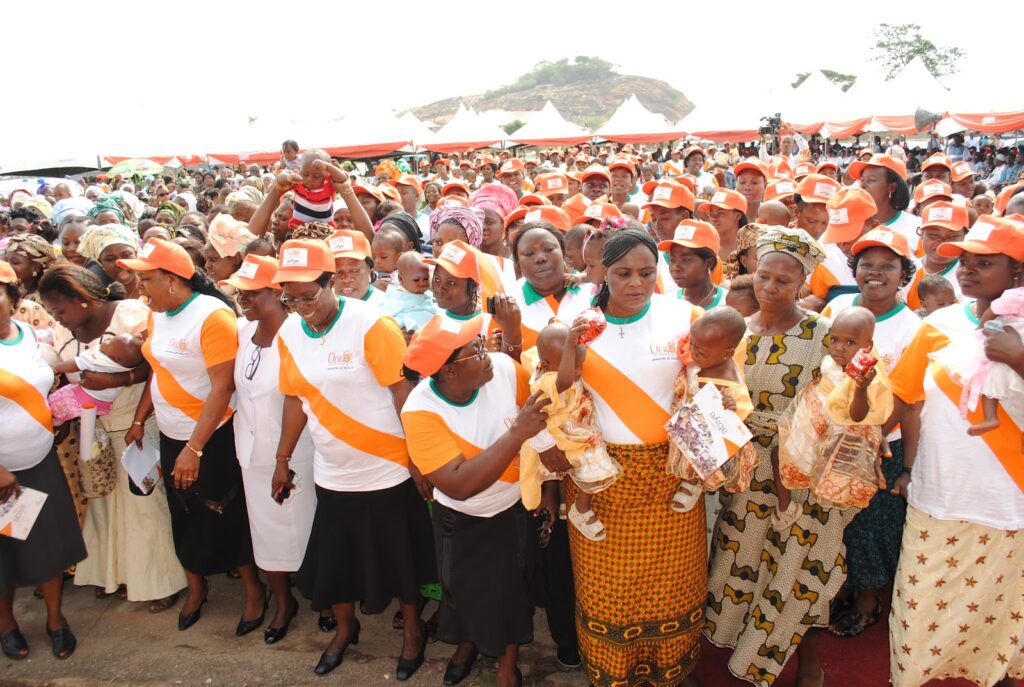
- Abiye (Safe Motherhood) Project: Launched in Ondo State in 2009, this comprehensive health initiative aimed to tackle maternal mortality and morbidity. The program led to a 75% reduction in maternal deaths, with the maternal mortality ratio dropping from 745 per 100,000 live births in 2009 to 112 per 100,000 in 2016.
- Agbebiye Initiative: Introduced in 2014, this program incentivized traditional birth attendants to refer pregnant women to authorized public facilities, ensuring safer deliveries. The initiative has been recognized by the World Bank and adopted by other African countries.
Global Goals and Future Directions
Nigeria is committed to achieving Sustainable Development Goal 3, which aims to reduce the global maternal mortality ratio to less than 70 per 100,000 live births by 2030. To reach this target, concerted efforts are required, including:
- Strengthening Healthcare Systems: Improving infrastructure and ensuring the availability of skilled healthcare professionals.
- Enhancing Access to Care: Making maternal healthcare services more accessible, especially in rural and underserved areas.
- Educational Campaigns: Raising awareness about maternal health and promoting health-seeking behaviors.
- Policy Reforms: Addressing restrictive laws and harmful practices that impede maternal health.
Addressing maternal mortality in Nigeria requires a multifaceted approach, involving government commitment, community engagement, and international support. By learning from successful initiatives like the Abiye Project and implementing targeted interventions, Nigeria can make significant strides toward safeguarding the lives of its mothers.